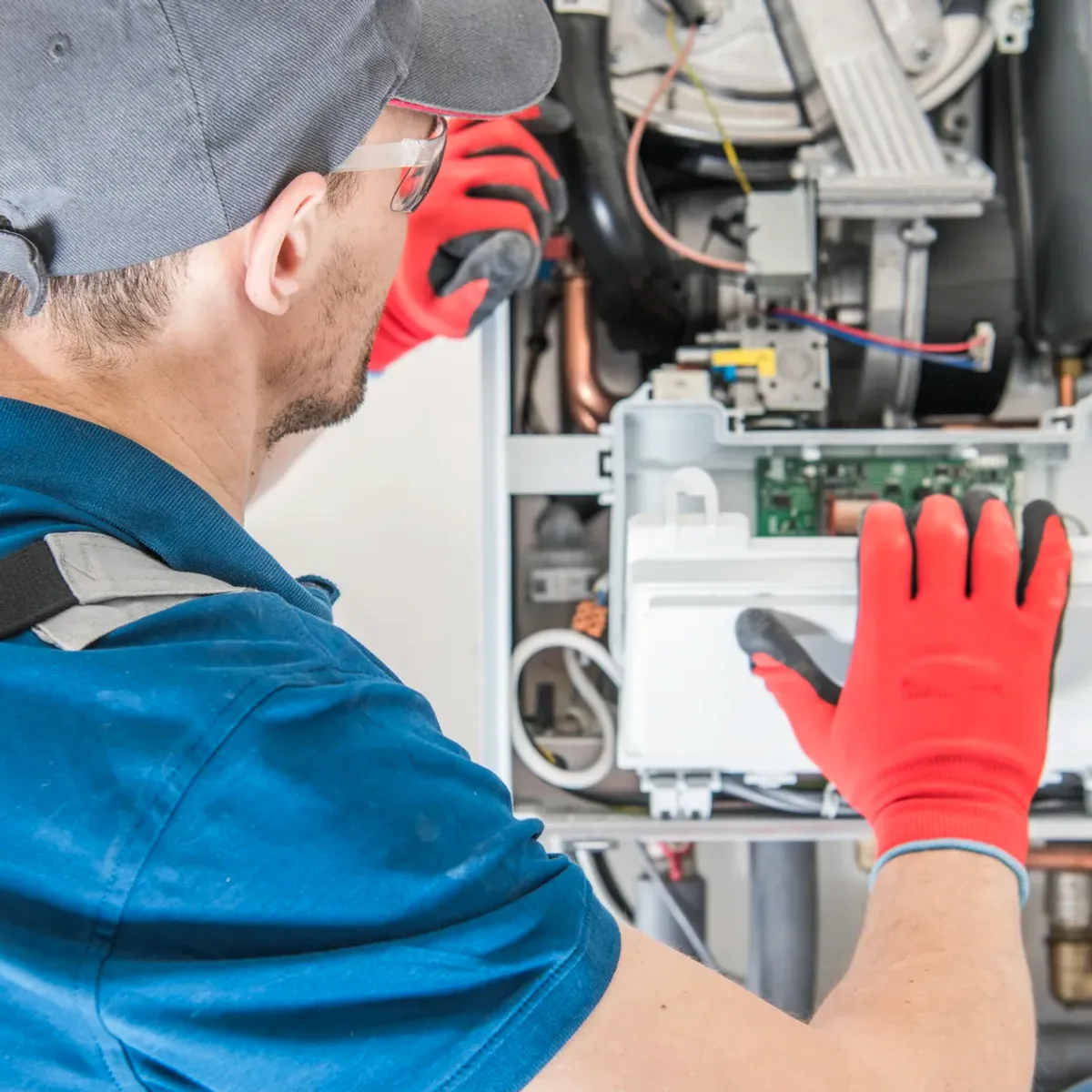
Request boiler service for a property in Owen Sound. Include the equipment, the problem or planned work, and your location so the request can be reviewed.
What information helps distinguish a boiler repair from replacement or maintenance work?
Boiler service varies with fuel, boiler design, and the hydronic distribution system. A natural-draft cast-iron boiler feeding radiators is not the same installation as a condensing boiler serving in-floor loops. For a repair, symptoms such as pressure loss, leakage, or no heat help direct diagnosis. For replacement or maintenance, the boiler model, venting, piping, and distribution details determine which work is relevant.
Provide the boiler fuel and model, the type of distribution system, and the symptoms or service history. Note whether pressure changes, leakage, or loss of heat has been observed. An igniter, circulator, and pressure-relief fault involve different findings, while boiler age and parts availability matter when comparing repair with replacement. Maintenance scope should follow equipment instructions and inspection results.
Gas, propane, and oil boiler repair faults
Natural-draft cast-iron radiator boilers versus condensing boilers and in-floor loops
Separate ignition, circulation, and pressure faults
A boiler that will not fire may require investigation of its igniter or controls, while cold radiators or in-floor loops can point toward circulation or distribution problems. A pressure drop or visible leak calls for a different assessment, including the pressure-relief arrangement. These symptoms do not identify a failed part by themselves; diagnosis should establish the fault and whether the boiler or connected hydronic system is involved.
02
Compare boiler design with the distribution system
Natural-draft cast-iron boilers commonly serve radiator systems, while condensing boilers may be paired with different piping and lower-temperature in-floor loops. Replacement planning should account for the existing distribution, fuel, venting, and controls rather than substitute equipment based only on the old boiler's rating. Where a condensing model is considered, compatibility with the system and the required vent and piping changes affect the installation scope.
03
Make maintenance depend on instructions and findings
Maintenance is not automatically a reason to flush a hydronic system. The boiler manufacturer's instructions and inspection findings should determine whether cleaning, adjustment, or another service action is appropriate. Radiators and in-floor loops can have different flow and air-management considerations, and evidence of scaling or air problems may change the work. A documented inspection helps distinguish routine checks from a specific repair need.
Compare the next step
Ask how the installed boiler and zone controls should operate during the absence, including any freeze-protection requirements in the manufacturer instructions. Establish who can respond to an alarm or loss of heat and provide that person with equipment and access records. Monitoring should support a practical service arrangement rather than stand in for maintained heating equipment.
Leave fuel, combustion, electrical, and pressure-system work to a qualified contractor. Do not adjust safety devices or repeatedly add water to a system with an unexplained leak or pressure loss.