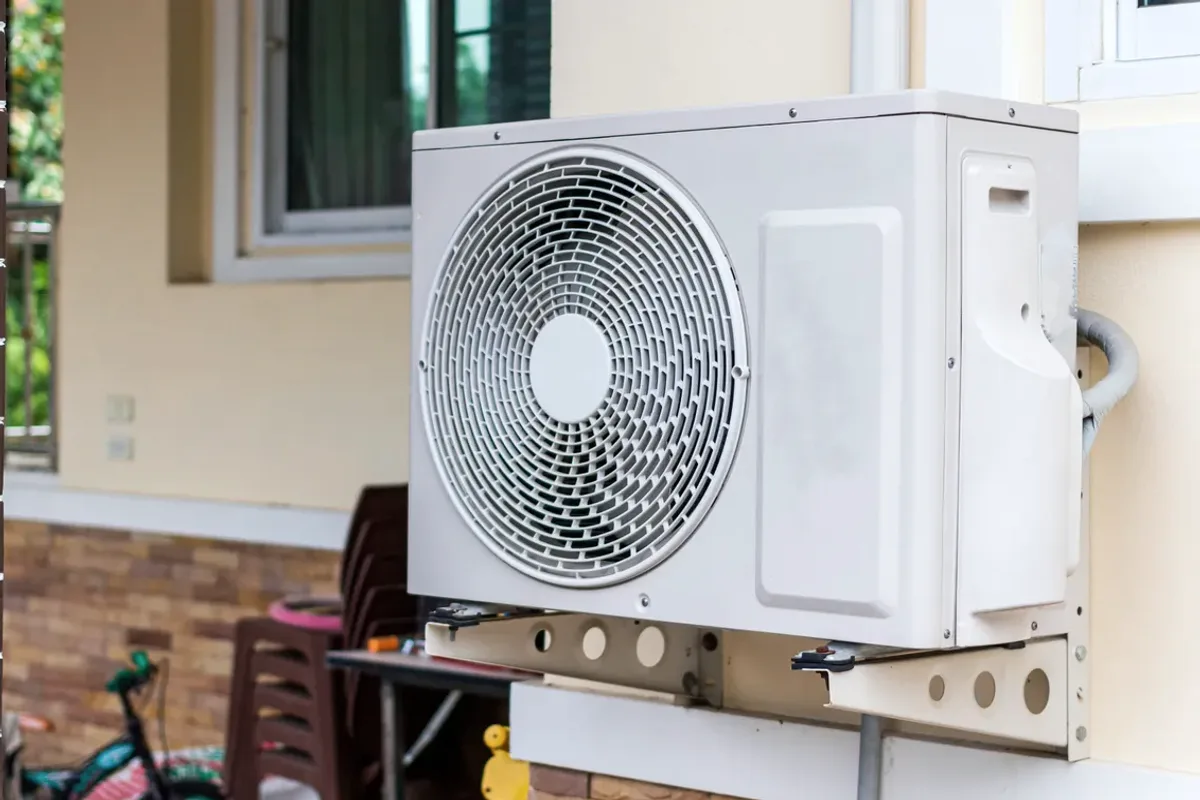
Request heat pump repair & installation for a property in Owen Sound. Include the equipment, the problem or planned work, and your location so the request can be reviewed.
What should be compared when deciding whether to repair a heat pump or plan a new installation?
Heat-pump work can mean diagnosing an existing system, replacing equipment, or assessing a conversion from an oil furnace. These are separate scopes. For a proposed installation, the property's heating load, existing distribution, electrical requirements, and intended role of the heat pump affect equipment selection. For a repair, the fault history and observed heating or cooling symptoms help distinguish a component problem from a system that may need broader evaluation.
For a repair, provide the model, fault indications, operating symptoms, and prior service history. For installation, identify the existing heat source, distribution system, and whether the heat pump is meant to replace or supplement it. These details matter because component diagnosis is different from load calculation, and an oil-to-heat-pump conversion also requires decisions about existing fuel equipment and the new system's role.
Heat-pump component diagnosis and repair
Oil-heating conversion and existing equipment decisions
Heating-load sizing and repair-versus-replacement comparison
Assessment and Scope
Questions for the Proposed Work
01
Separate a repair from a conversion
A heat pump that has stopped heating or cooling needs fault diagnosis before replacement is considered. Sensors, contactors, or capacitors may be among the components investigated, but a symptom does not identify the failed part on its own. An oil-to-heat-pump conversion is a different project: it also requires reviewing the existing heating arrangement and deciding how the old equipment will be handled.
02
Calculate the load for the intended role
A proposed heat pump should be selected against the property's heating load and the system's intended operating role, not just the size of the previous furnace. If it is meant to provide the full heating supply, that requirement differs from a system intended to supplement existing heat. Equipment documentation and property-specific load information help compare suitable models and clarify what additional system changes may be needed.
03
Use condition and repair history to compare options
A repair decision should reflect the confirmed fault, the condition of the heat pump, and its record of previous problems. A discrete component fault can have a different scope from recurring failures or deterioration across major parts. If replacement is being considered, compare the proposed system with the property's load and existing distribution. Do not treat age or a single symptom as proof that replacement is necessary.
Compare the next step
Ask how backup heat behaves when the owner is away and what monitoring can confirm. Record the approved operating settings, who receives alerts, and who can provide access. The absence plan should account for equipment service and the property consequences of lost heat, rather than simply installing remote controls.
Cold-climate capability does not prove that one model covers every home heating load. Ask how the selected equipment and supplementary heat meet the actual design requirements.